 X-Shop Education
Weather in the sim: how close to reality it is
We'll figure out how realistically the weather works in modern flight simulators, what data is used, and where the border between real weather conditions and simulation lies.
Weather is one of the most important elements of a flight simulator. It is this that affects takeoff, landing, fuel consumption, autopilot operation and the overall feeling of flight. Without lively and believable weather, even the most detailed aircraft quickly loses its sense of realism.
Modern simulators, such as Microsoft Flight Simulator and X-Plane, use real weather data. It is based on global weather models, airport METAR reports and forecasts. Thanks to this, the user sees the current pressure, direction and strength of wind, cloudiness and precipitation, as close as possible to the current situation in the real world.
It is important to understand that the simulator does not copy the weather one to one. METAR provides a data point only for a specific airport, and the weather between them is interpolated. This means that along the route, actual front or thunderstorm activity may appear smoother or less aggressive than in real life. This is especially noticeable during sudden weather changes.
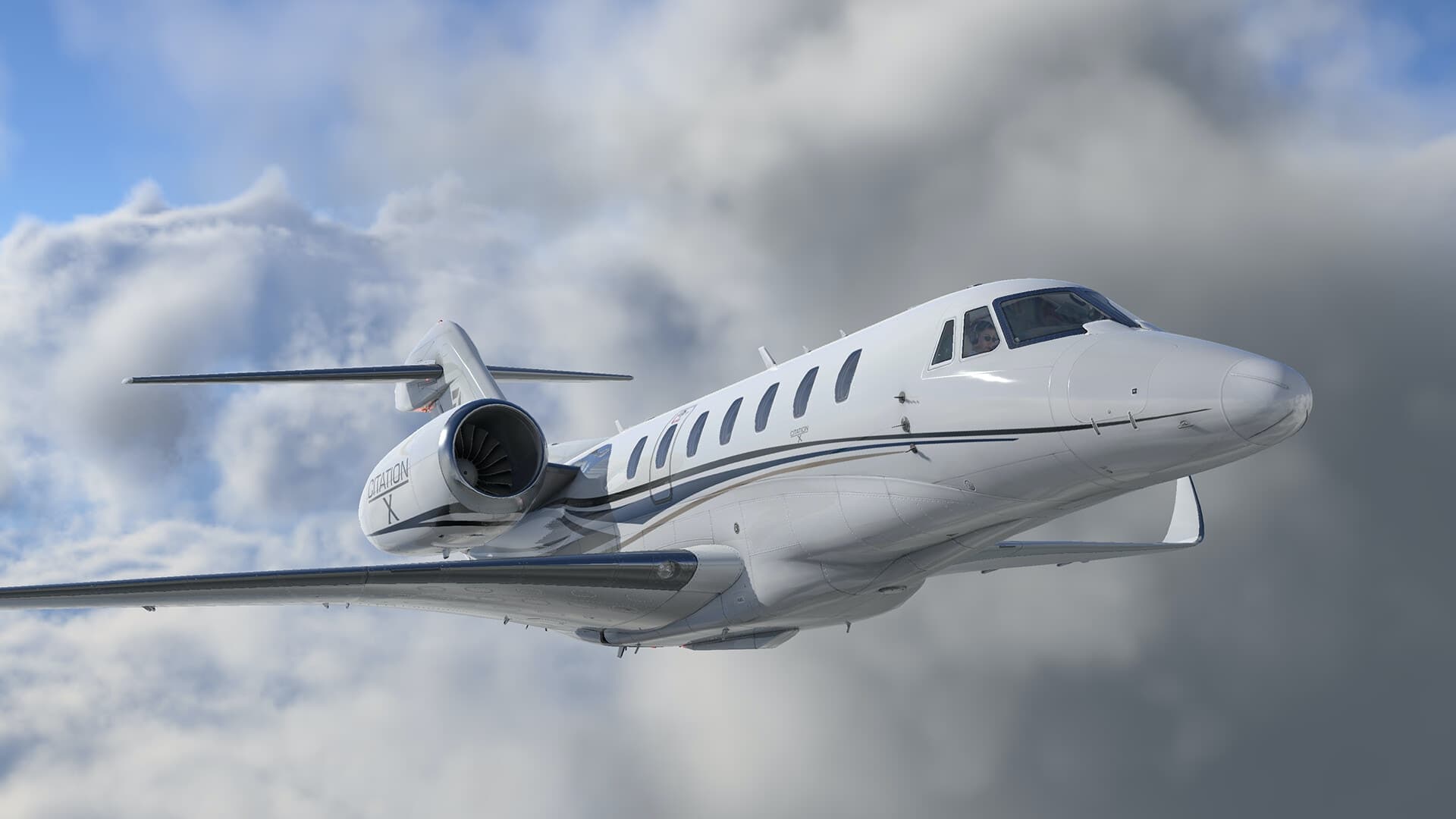
Cloudiness deserves special attention. In modern sims it is voluminous and dynamic, but still limited by computing capabilities. Real cloud layers can have complex structures and microturbulence, which the simulator simplifies for consistent performance. Visually, everything looks plausible, but the behavior of air inside clouds is often softer than in reality.
Turbulence is another controversial issue. In real aviation, it can be local, abrupt and unpredictable. In the Sim, turbulence is more often felt as a uniform effect, depending on altitude, wind and weather layer. This is enough for the average user, but experienced pilots and simmers notice that small nuances are still lost.
Nevertheless, the weather in flight simulators today fulfills its main task. It affects flight planning, runway selection, the need for anti-icing and piloting style. The sim already teaches you to think like a pilot, and not just follow a route.
As a result, the weather in the sim is close to reality conceptually and visually, but still simplified in detail. This is a trade-off between accuracy and performance. For training, hobbies and serious virtual flights, its realism is more than enough, even if an absolute coincidence with the real sky does not yet exist.